How to Prevent Excessive Earwax Build Up
Earwax, or cerumen, is a natural substance produced by your body to protect the delicate skin of your ear canal. It traps dust, debris, and microorganisms, preventing them from reaching the eardrum. Normally, the ear cleans itself; old earwax moves from the deeper parts of the ear canal to the opening, where it dries up and falls out. However, sometimes this process is disrupted, leading to excessive build up that can cause discomfort, hearing loss, and other issues. Understanding how to manage earwax is key to preventing these problems before they start.
Understanding the causes of earwax build up
Several factors can contribute to an over-accumulation of earwax. For some people, it's simply a matter of genetics; they naturally produce more earwax than others. The shape of your ear canal can also play a role. Narrow or unusually shaped ear canals can make it difficult for wax to exit naturally. Age is another factor, as earwax tends to become harder and less mobile as we get older, increasing the likelihood of a blockage. Using hearing aids, earplugs, or in-ear headphones regularly can also push wax deeper into the canal and prevent it from clearing on its own, often leading to a need for Marple ear wax removal.
Adopt safe cleaning habits
One of the biggest culprits behind earwax impaction is improper cleaning. Many people mistakenly believe they need to clean inside their ear canals with cotton buds, hairpins, or other objects. This practice is not only ineffective but also dangerous. Inserting objects into your ear pushes the wax further in, compacting it against the eardrum. This can worsen the blockage and potentially damage the sensitive structures of your inner ear. The safest way to clean your ears is to gently wipe the outer part with a soft, damp cloth. Let your body handle the internal cleaning process.
Keep your ears dry and use softening drops
Moisture can sometimes contribute to earwax problems. After swimming or showering, gently dry the outside of your ears with a towel to prevent water from becoming trapped inside, which can cause the wax to expand. If you are prone to dry, hard earwax, using over-the-counter softening drops can be a beneficial preventative measure. A few drops of mineral oil, baby oil, or a specialised earwax softener once a week can help keep the cerumen soft and mobile, making it easier for your ears to clear it naturally. This simple step can often reduce the frequency of professional Hyde ear wax removal procedures.
Manage your use of in-ear devices
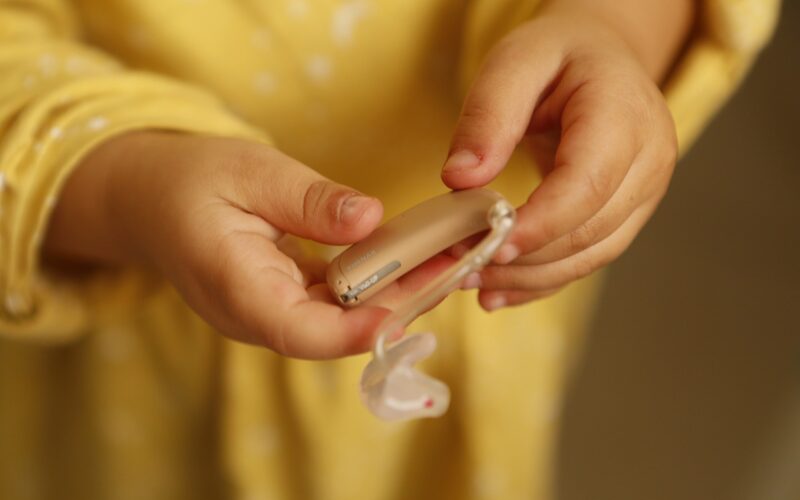
Frequent use of devices that block the ear canal, such as earbuds, hearing aids, and earplugs, can interfere with the natural shedding of earwax. While these devices are often essential, being mindful of their impact can help. Ensure they are cleaned regularly according to the manufacturer's instructions to remove any accumulated wax. If possible, take breaks from wearing them to allow your ears to "breathe" and carry out their self-cleaning function. If you wear hearing aids, regular check-ups with an audiologist should include an inspection of your ear canals for potential build up.
When to seek professional help
Even with the best preventative care, some individuals may still experience significant earwax build up. If you develop symptoms such as earache, a feeling of fullness in the ear, muffled hearing, tinnitus (ringing in the ears), or dizziness, it is time to consult a professional. Do not attempt a DIY ear wax removal at home, especially if you have a history of ear surgery or a perforated eardrum. A GP, audiologist, or an ear, nose, and throat (ENT) specialist can safely and effectively remove the blockage using methods like irrigation, microsuction, or manual Wrexham ear wax removal with specialised instruments.